Back to AI TrendsSecurity Risk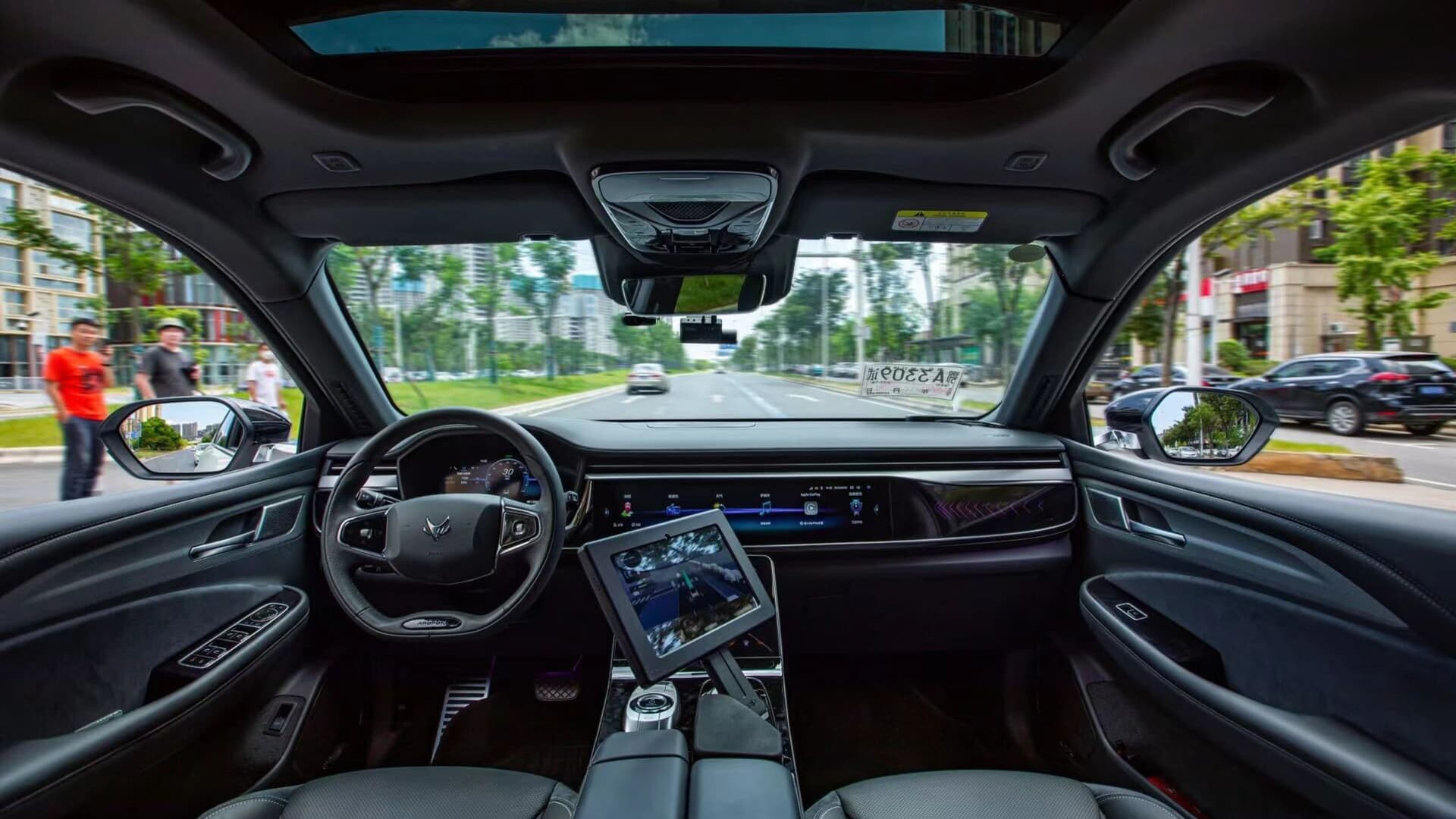
Baidu’s Robotaxis Stall in Wuhan: A Reality Check for Autonomous AI at Scale
CNBC Technology April 1, 2026
Baidu’s Apollo Go fleet faced a significant setback this week as several robotaxis stalled mid-traffic in Wuhan, leading to highway collisions and urban gridlock. For leadership, this highlights the 'reliability gap' in physical AI; while software scales rapidly, the real-world deployment of autonomous systems remains vulnerable to unpredictable edge-case failures.
Key Intelligence
- •Did you hear that Baidu's self-driving taxis effectively paralyzed parts of Wuhan after several units simply stopped dead in the middle of high-speed traffic?
- •Apparently, the system glitches were severe enough to cause at least one documented highway collision, putting a spotlight on the physical risks of AI-driven transit.
- •Wuhan has become the world’s largest laboratory for autonomous driving, with Baidu currently operating hundreds of vehicles and aiming for 1,000 units by year-end.
- •It turns out that 'ghosting' isn't just for dating; these vehicles reportedly ceased operations without warning, creating dangerous bottlenecks that human drivers had to navigate around.
- •Local social media sentiment is turning, which could force Chinese regulators to pivot from 'rapid expansion' to 'strict oversight' overnight.
- •Despite these crashes, Baidu is still aggressively targeting 2025 as the year their robotaxi business becomes fully profitable.
- •The incident serves as a reminder for IT directors that '99% reliability' in AI models isn't enough when those models are controlling two-ton vehicles on public roads.