Back to AI TrendsInfrastructure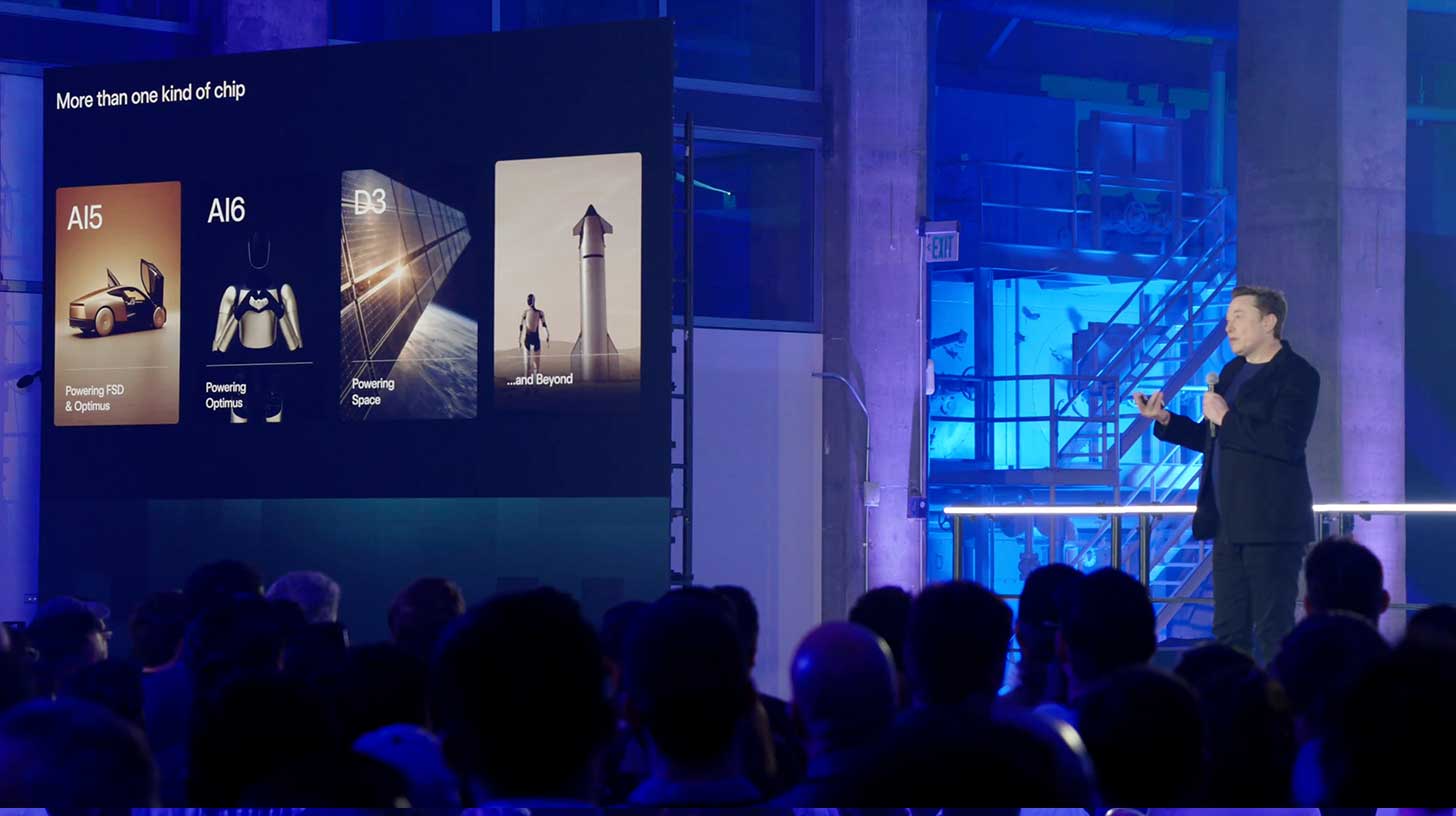
Musk’s ‘Terafab’ Gambit: The Billion-Dollar Race for Compute Autarky
The Rundown AI March 23, 2026
Elon Musk is evolving xAI from a software startup into an infrastructure titan with his 'Terafab' initiative, a massive facility designed to house the world’s largest AI supercluster. For executives, this move highlights a critical shift in the AI landscape: competitive advantage is increasingly determined by who owns the physical hardware and power supply, not just the code.
Key Intelligence
- •Elon Musk is scaling his AI supercluster, 'Colossus,' aiming to operate over 100,000 NVIDIA H100 GPUs in a single facility to train the next generation of Grok.
- •The 'Terafab' concept reimagines data centers as high-speed industrial factories for intelligence, mirroring the vertical integration seen in Tesla’s Gigafactories.
- •Apparently, xAI managed to bring its initial 100,000-chip cluster online in just 122 days—a timeline that traditionally takes years for established cloud providers.
- •This infrastructure surge suggests Musk is looking to bypass the bottlenecks of traditional cloud giants like AWS and Azure by building a dedicated, sovereign supply chain.
- •On the software side, Google has quietly released 'Stitch,' an AI-powered design tool that can overhaul or redesign an entire website via simple natural language prompts.
- •Industry analysts see Google Stitch as a 'death knell' for traditional low-level UI/UX tasks, potentially reducing web design costs by as much as 80% for enterprise firms.
- •The dual trend of massive hardware scaling and hyper-efficient design automation means the gap between AI 'haves' and 'have-nots' is widening faster than expected.