Back to AI TrendsInfrastructure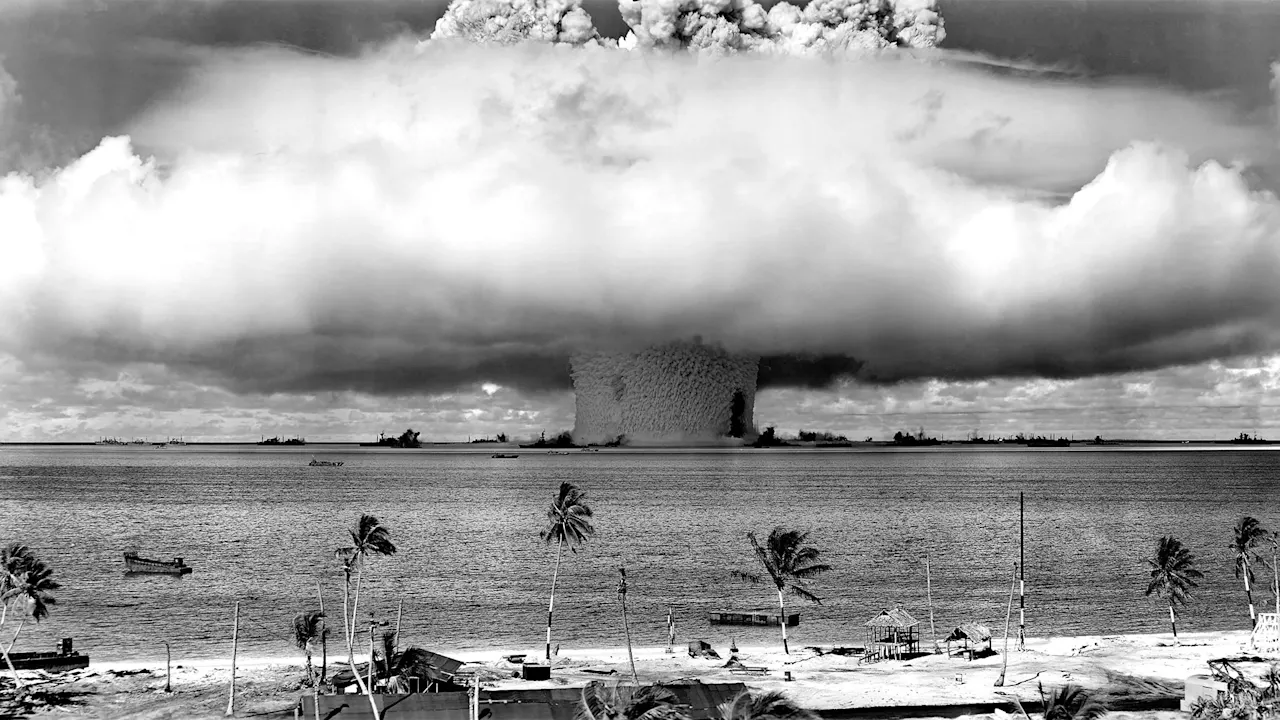
Nuclear Terraforming: The Radical 1950s Plan to Bypass Global Oil Chokepoints Resurfaces
Fast Company April 5, 2026
As global energy security faces mounting threats in the Middle East, a controversial Cold War-era proposal to use nuclear explosives for canal construction has returned to the spotlight. While technically a legacy engineering concept, its revival underscores the extreme measures being considered to protect global supply chains from geopolitical volatility.
Key Intelligence
- •Did you hear that there's a serious discussion about reviving a 1950s plan to use nuclear bombs to blast a new canal through the Middle East?
- •Apparently, the goal would be to bypass the Strait of Hormuz entirely, a chokepoint that currently handles 20% of the world's oil supply.
- •The idea stems from 'Project Plowshare,' a Cold War U.S. program that treated 'peaceful' nuclear explosions as a legitimate tool for massive civil engineering.
- •While modern AI and simulation could theoretically optimize such a project today, the original plan involved detonating hundreds of devices to move billions of cubic yards of earth.
- •It’s a striking example of 'out-of-the-box' thinking surfacing as traditional shipping routes become increasingly vulnerable to regional conflict.
- •For executives, the takeaway isn't the likelihood of nuclear construction, but the escalating desperation to find permanent structural solutions to supply chain fragility.