Back to AI TrendsWorkforce Shift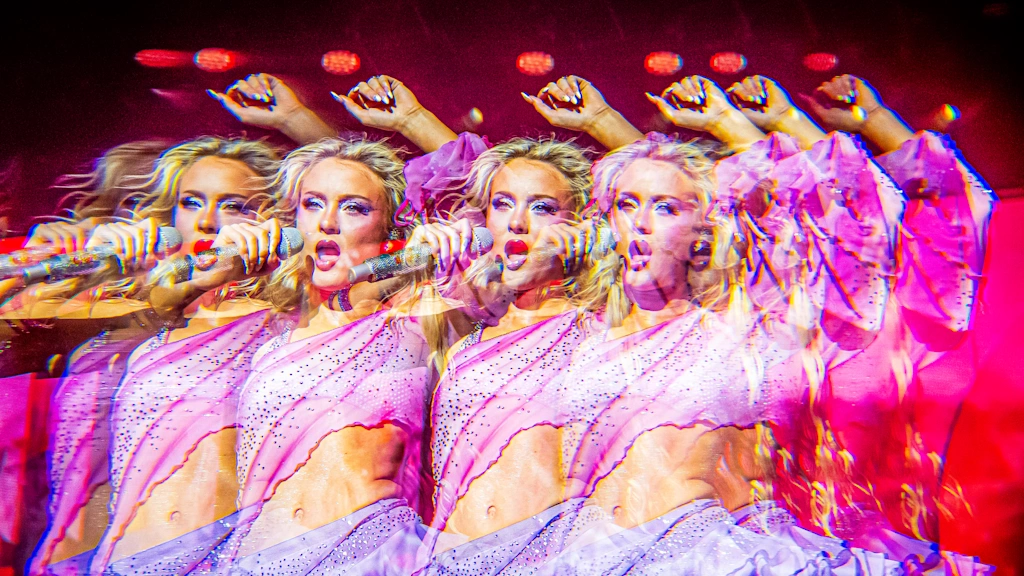
Pop Star Zara Larsson Ignites Fan Uproar By Endorsing AI-Generated Content
Fast Company March 20, 2026
This incident highlights the growing tension and public debate surrounding AI's role in creative industries, especially how consumer-facing brands and artists adopt it. For executives, it underscores the reputational risks and opportunities when integrating AI into public-facing products and services, signaling potential shifts in consumer values and ethical considerations. It's a clear sign that public sentiment towards AI in creative fields is highly polarized.
Key Intelligence
- •Pop star Zara Larsson ignited controversy among fans by publicly defending her use of AI-generated content, stating she doesn't "ever see us going back to not using it."
- •Her stance reflects a deepening divide in the creative community regarding AI's ethical implications and future role in art, resonating with broader debates on AI in the workforce.
- •The fan 'riot' illustrates the strong emotional reactions consumers have to artists integrating AI, potentially impacting brand loyalty and public perception of AI-powered products.
- •This incident isn't isolated; it's part of a broader cultural moment grappling with the authenticity, copyright, and provenance of AI-assisted creations.
- •Larsson's viral comments bring the debate over AI in art directly into mainstream pop culture, making it a pertinent 'coffee conversation' topic for a wider audience.
- •The controversy signals that companies using AI in creative or consumer-facing ways must carefully navigate public opinion and ethical considerations to avoid backlash.